
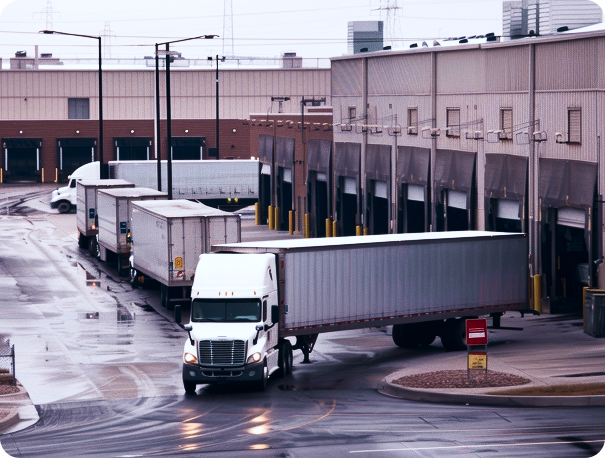

Dry Van Dispatch Service Without Gaps

Instead of random assignments, CA Station Dispatch aligns Dry Van Dispatch Service with real freight timing and lane flow.

The Gap Between Dry Van and Loads

In dry van trucking, the issue isn’t lack of freight; it's the gap between one load ending and the next one starting. That small downtime often goes unplanned, breaking earning consistency even when the truck stays active.
Deliver
wait
search
repeat
And this cycle reduces stability more than the actual road time.
A structured Dry Van Dispatch Service helps reduce this gap by aligning dry van loads in sequence so movement stays continuous instead of interrupted. CA Station Dispatch focuses on keeping that flow tighter so trucks don’t lose time between freight cycles.

Structured Dry Van Dispatch Service Flow

Request Dispatch Support

Freight Industry Standard

Dry van trucking handles everyday goods like retail, electronics, and packaged inventory nationwide.

Fully Enclosed Protection

Dry van freight stays fully covered, protecting cargo from weather, dust, and theft.

Multi-Industry Flexibility

Supports retail, automotive, and consumer goods without special handling or temperature control needs.

Cost-Effective Shipping

Dry van dispatch service reduces overhead by avoiding refrigeration and extra equipment costs

High Load Availability

Consistent dry van loads keep freight moving across major U.S. trucking lanes daily.

Control Behind Every Dry Van

Lane Mapping

Lane Mapping
We align dry van trucking routes with recurring freight patterns to create stronger weekly consistency.

Reload Timing

Reload Timing
Precise scheduling keeps dry van loads moving faster with fewer delays between deliveries.

Freight Screening

Freight Screening
Weak-paying freight gets filtered out so drivers stay focused on profitable movement.

Flow Stability

Flow Stability
Dispatch sequencing keeps dry van operations structured, predictable, and consistently active across lanes.

Why Wait Between Dry Van Loads?

Improve consistency in non-temperature-controlled dry van trucking with structured dispatch that reduces waiting between loads.

Industries Driving Dry Van Loads

Retail & Consumer Goods Distribution

Moves boxed and packaged retail inventory across stores and distribution centers nationwide.

E-Commerce Fulfillment

Supports warehouse-to-customer and bulk order shipping for online retail operations at scale.

Electronics & Technology

Transports Dry van freight including non-temperature-sensitive devices, appliances securely.

Automotive Parts Supply Chain

Delivers boxed auto components and spare parts

Food & Beverage
(Non-Perishable)

Handles packaged, shelf-stable food products that don’t require refrigeration during transport

Manufacturing & Industrial Goods

Moves raw materials and finished industrial products between production facilities and storage hubs.

Frequently Asked Questions

A dry van is an enclosed trailer used to transport general, non-temperature-sensitive freight safely across short and long-distance routes.

Most dry van freight legally carry between 42,000 and 45,000 pounds, depending on trailer specifications, freight type, and state regulations.

Dry van dispatch services usually charge 5% to 10% per load, depending on dispatch support, lane planning, and included services.

Dry van dispatch services include load booking, rate negotiation, route planning, broker communication, paperwork handling, and ongoing driver assistance.

Yes, many dry van dispatch services provide 24/7 support for load updates, route assistance, urgent issues, and broker communication needs.

We plan smarter routes, secure nearby reloads, and monitor freight opportunities to reduce deadhead miles and improve overall profitability.

Brokers typically send payments through direct deposit, factoring companies, or checks after successful load delivery and completed paperwork submission.

Newsletter
Stay updated with our deals and offerings by subscribing to our newsletter.
Copyright © 2026. All Right Reserved.