Did you know, trucks moved approximately 11.27 billion tons of freight in 2024, accounting for about 72% of all domestic freight by weight, a clear signal of how essential road freight is to supply chains.
Trucking is not just about moving cargo. It is about finding the right load, staying busy on the road, and making every mile count. Many drivers know that open-deck freight often brings better payment than general freight, but it also needs experience and planning.
Flatbed and Step Deck Trailer options are very common in freight dispatching because they handle oversized and heavy shipments. These trailers carry construction materials, machines, and industrial equipment that cannot fit inside closed trucks. Let’s break it down here.
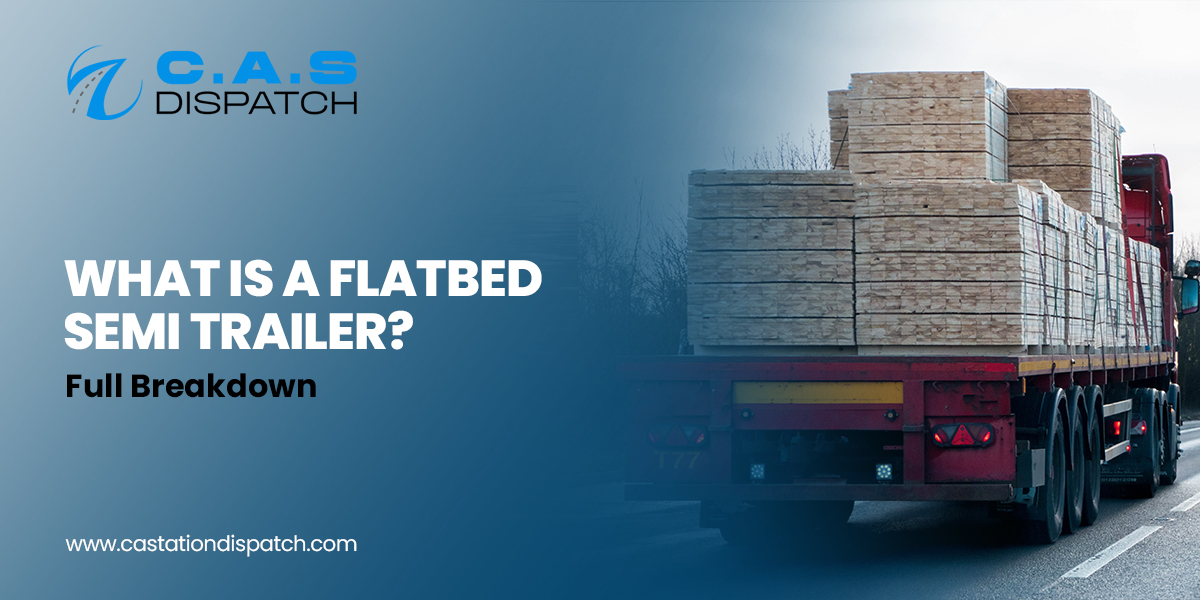
A flatbed trailer is an open platform without walls or roof cover. Drivers can load cargo from different sides using cranes or forklifts.
In real trucking work, flatbeds are mostly used for construction supplies, steel products, and wooden materials. You will usually see them carrying long pipes or heavy structural beams on highways.
Most flatbeds are around 48 to 53 feet long. Weight capacity depends on axle setup and road regulations. Cargo must be secured tightly using chains and straps because nothing is enclosed. Open freight can feel a bit demanding, especially when weather changes suddenly. Many drivers keep tarps ready just in case.
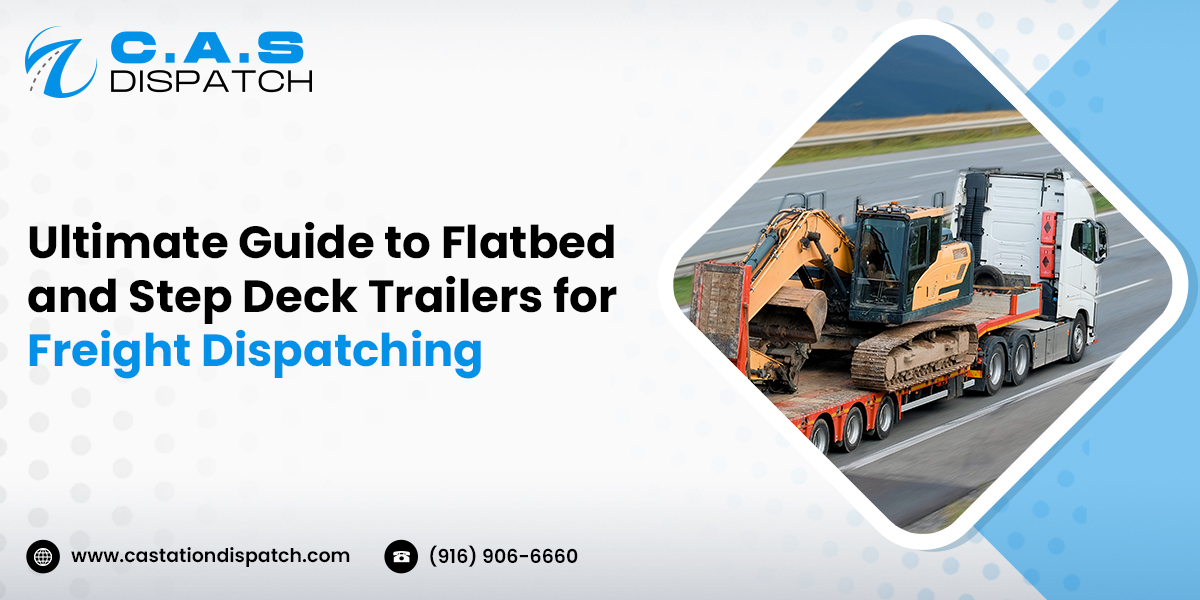
Step deck trailers have two deck levels. The front deck stays higher, while the back deck is lower. This design helps carry taller equipment without crossing road height limits. Many states in the United States allow a trailer height of about 13 feet 6 inches for safe highway movement. Step decks are often used for hauling construction machines, agricultural equipment, and industrial tools. Drivers like step deck trailers because they provide more clearance. Tall cargo stays safer during long-distance transport.
Both trailers are useful. The choice really depends on freight size and market demand.
Flatbeds are good for normal height construction materials. You will see them moving steel bars, lumber, and general building supplies.
Step deck trailers work better when freight is tall. The lower rear deck helps avoid height restriction problems. Many drivers think of it this way: flatbed trailers are simple and flexible, while step decks are better for special equipment hauling.
Construction work across the country keeps open freight moving. Trucking data shows that road transport carries most domestic goods movement. According to freight transportation reports, trucks move a major share of industrial and commercial shipments every year.
Flatbed freight dispatch is useful for drivers who want consistent construction-related loads.
Typical flatbed cargo includes steel, pipes, and building materials. Dispatchers help find shipments and negotiate rates so drivers do not waste time searching for brokers.
Step deck hauling sometimes needs detailed measurement checking.
Open freight hauling is not always easy.
Working with a dispatch team lets drivers focus more on driving.
Dispatchers search for loads, talk to brokers, and handle paperwork. Drivers can spend more time on the road instead of negotiating freight details.
In 2022, according to the TRIP report, U.S. freight system moved nearly 19.7 billion tons of freight valued at about $18.8 trillion, with trucks carrying 64–72% of that freight, highlighting the major role trucking plays in moving valuable goods.
Reducing empty return trips is very important. Deadhead miles are one of the biggest profit killers in trucking. Good dispatch support keeps trucks moving with paying loads instead of wasting fuel.
Small habits really matter in trucking.
Flatbed and Step Deck Trailer freight plays an important role in transportation and construction supply chains. Each trailer type has its own strength. Choosing the right trailer and working with professional dispatch support can improve driving efficiency. If you are running an open-deck truck, strong dispatch services for truck drivers can help you stay loaded and reduce downtime.
CA Dispatch Station helps drivers find quality flatbed and step deck freight opportunities. Staying busy with good loads is often the key to long-term trucking success.
Honestly, it depends on what you haul. Flatbeds are easy for regular loads like lumber or steel. Step decks are better for tall machines or big equipment. Most drivers just pick whatever fits the load for the day.
Step decks work when your cargo is too tall for a normal flatbed. The lower back deck gives extra room so you don’t hit height limits. Makes life easier on the road and keeps inspectors happy.
Usually around 45,000–48,000 pounds. It depends on the axles and state rules. Spread the weight right or it gets tricky to handle on the highway.
Not really. Both are open, but step decks have a drop in the back. Flatbeds are just one level. Step decks help when the load is too tall for a flatbed.
Weather can mess with cargo since it’s open. Loading big machines takes time. Sometimes you need permits. Chains, straps, and tarps — check them before you roll.
It’s simple — 60% of the weight goes toward the front, 40% at the back. Keeps the trailer steady and stops it from swaying too much on the highway.