“What if I told you one strategic vehicle choice could boost delivery reliability and cut costs by thousands a year?”
That’s the power of dry van trucking, the unsung hero in logistics that’s quietly reshaping how products move across countries, from bustling warehouses to your customer’s doorstep.
In today’s fast-paced delivery economy, businesses large and small are discovering the dry van model isn’t just economical but truly transformative when paired with smart logistics dispatch services and efficient fleet planning.
Imagine this: instead of hiring multiple specialized trucks for every type of shipment, you use one adaptable, reliable trailer that works for most goods in your warehouse. That’s the dry van advantage.
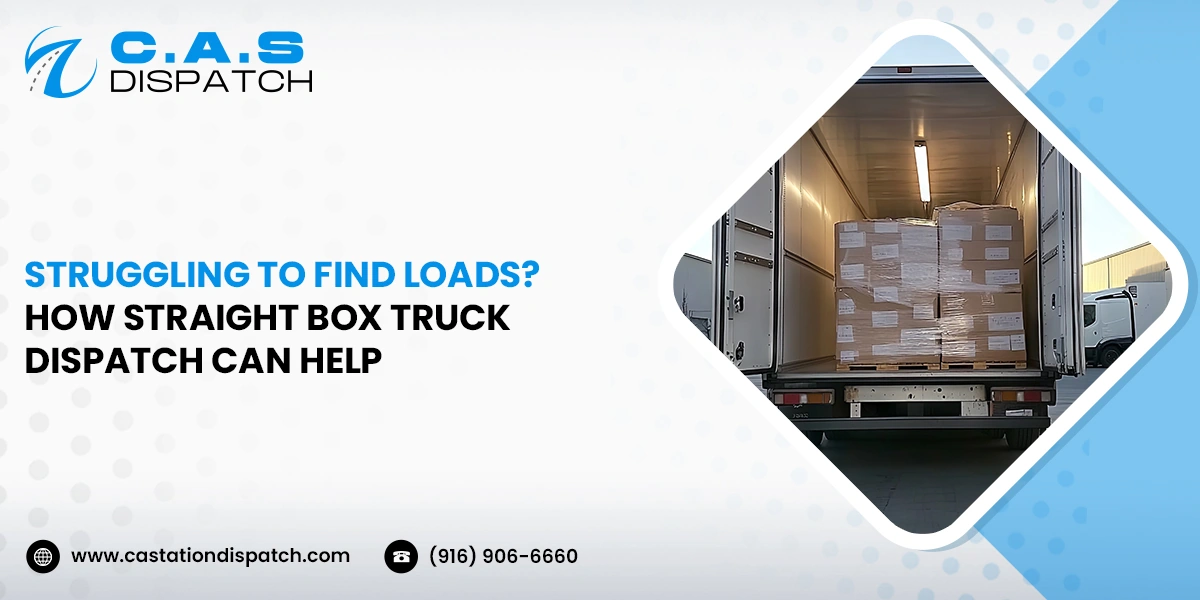
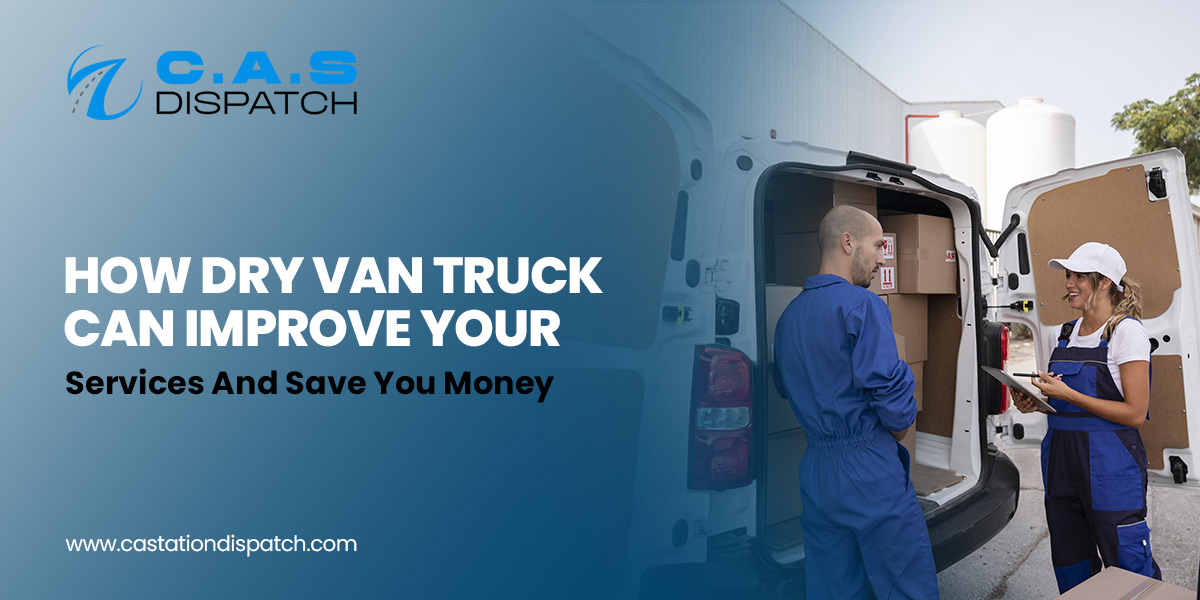
A dry van is a fully enclosed semi-trailer, usually 48–53 feet long and capable of carrying up to 45,000 pounds of cargo. It’s built to protect freight from weather, theft, and damage during transport.
That means your goods stay safe from rain, dust, and rough roads from point A to point B- a key reason dry vans account for a huge proportion of freight moves across logistics networks.
One of the biggest myths in delivery services is that more bells and whistles automatically equal better service. But dry vans prove the opposite.
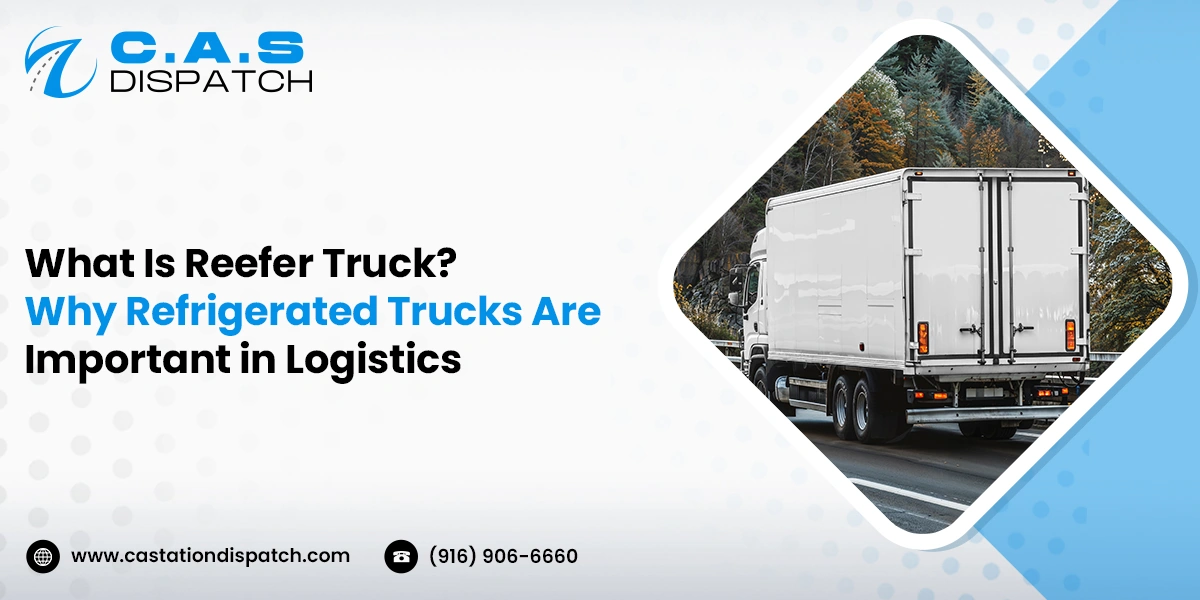
Unlike refrigerated trucks, dry vans don’t require temperature-control units. That means no diesel-powered refrigeration costs, no extra mechanical maintenance, and no costly insulation systems.
A refrigerated unit’s fuel usage can easily add $50–$100 per day to your expenses, and that’s before wear and tear.
Data from industry dispatch services shows dry van trucking averages around $2.50 per mile, with gross weekly revenues often hitting $6,000+ before expenses, fuel, and maintenance.
With the help of efficient logistics dispatch services, businesses can reduce empty miles and keep profitability consistent across routes.
Dry vans can carry almost any non-perishable product like electronics, packaged foods, furniture, clothing, and building materials without needing customized set-ups.
This flexibility lets you:
And thanks to features like drop-and-hook logistics, dry vans can be swapped at a dock quickly, keeping drivers rolling with minimal downtime, a major delivery uptime advantage.
If you’re a carrier or fleet manager who wants to avoid upfront purchases of trailers entirely, power only dispatch services are a smart option. These services match carriers with pre-loaded trailers, meaning you just provide the tractor while dispatchers handle load coordination.
This setup:
When combined with professional logistics dispatch services and expert dry van truck dispatching, carriers can maximize revenue opportunities while minimizing operational stress.
Logistics dispatch services play a major role in making dry van trucking efficient and profitable. Beyond simply finding loads, dispatch teams manage route optimization, scheduling, compliance tracking, and broker negotiations.
Here’s how strong dispatch support improves dry van operations:
With real-time coordination and industry expertise, logistics dispatch services ensure your dry vans stay active, efficient, and revenue-generating.
Traditionally, dry vans aren’t refrigerated, but that doesn’t mean they’re useless when it comes to goods needing mild temperature protection.
Modern dry vans can support passive protection for products sensitive to extreme heat or cold. With insulation upgrades, these trailers can safely carry items that require stability rather than strict temperature control.
Typical dry van specifications include:
These specs make dry vans reliable for a wide range of goods while maintaining operational efficiency.
A dry van’s enclosed design gives cargo strong protection against weather, dust, UV exposure, and theft, especially important for high-value shipments.
Because dry vans integrate easily with modern security technology, businesses gain visibility and protection without the extra monitoring costs associated with refrigerated fleets.
Whether you’re running your own fleet or partnering with professionals:
In other words: the smarter your dispatch strategy, the more profitable your dry van operations become. Contact CA Station Dispatch to get started.
If you’re considering a more hands-on approach to dispatching, our Ultimate Guide to Choosing the Best Box Truck Dispatcher can help you understand how to select the right partner.
Here’s the takeaway: if your business depends on reliable deliveries that don’t wreck your budget, dry van trucking is a cornerstone logistics strategy.
It delivers:
With the right dispatch team behind you, dry vans keep rolling cost-efficiently, predictably, and profitably.
A typical dry van trailer carries up to 45,000 pounds, suitable for full truckload shipments of non-perishable goods efficiently.
A dry van is a large semi-trailer for long-haul freight; a cargo van is smaller, self-powered, ideal for local deliveries and lighter loads.
Dry van is a trailer type, while FTL (Full Truckload) is a shipping method. Dry vans are commonly used for FTL shipments.
CDL dry van means operating a dry van requires a Commercial Driver’s License (CDL) because of the trailer’s large size and weight capacity.
Standard dry vans are 48–53 feet long, 8.5 feet wide, and up to 114 inches tall, accommodating up to 45,000 pounds of cargo.